|
|
|||||||||||||
|
Stories
driven by geology Geology is most fascinating when it connects to human stories, which abound on this trip's itinerary. Here are a few examples. |
|||||||||||||
|
The earthquake-prone Bay Area braces for the Big One. Will the continuous updating of engineering designs be adequate to protect the population? |
|
||||||||||||
|
|
|
||||||||||||
|
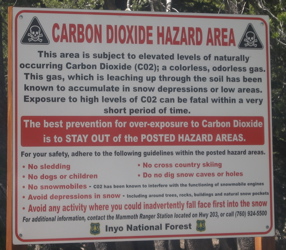
The volcanic gases and hot springs
around the ski resort of Mammoth Lakes have already claimed lives. Do they
foretell the reawakening of an unimaginably destructive supervolcano? |
|
||||||||||||
|
|
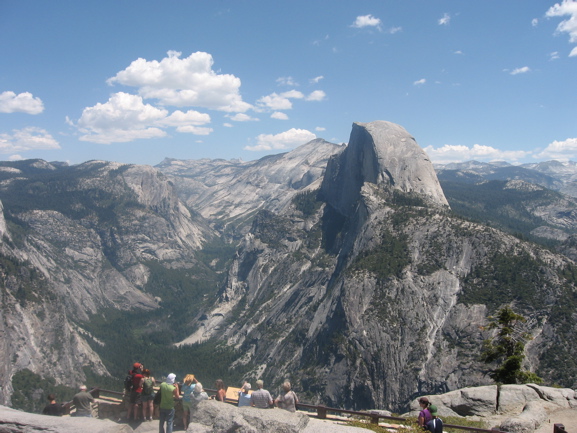
In
Yosemite Valley, author John Muir was mocked as a "mere
sheepherder" when he challenged the leading geologists of his day,
claiming that glaciers had etched the spectacular landscape. Was he mostly correct? |
||||||||||||
|
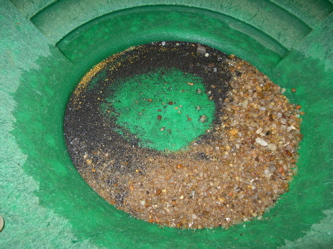
Gold,
famously discovered in 1848 in the Sierra Foothills, drew the nation west and
led to San Francisco becoming a major city and California becoming a state.
What does this belt of gold deposits have in common with the Dahlonega belt
in Georgia? |
photo
courtesy of Pamela Gore |
||||||||||||
|
|
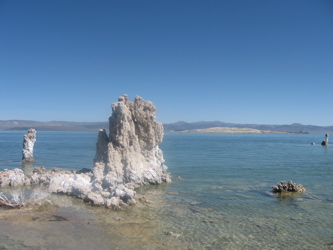
A court
victory by conservationists saved Mono Lake (where weird towers of tufa, or calcium carbonate, form by
evaporation). How close did a thirsty metropolis over 300 miles to the south
come to sucking it dry? |
||||||||||||
|
Geology on the Edge will be especially rewarding to Georgia Earth science teachers from
5th grade through high school, who teach about earthquakes, volcanoes, plate tectonics,
erosion, and the origins of rocks and landscapes. There will be opportunities to build lessons,
based on trip stops, that both teach Earth science concepts and connect with the whole curriculum. |
|||||||||||||
|
For example, a Yosemite Valley lesson can invite students to read and write
about the scientific controversy in which John Muir rightly argued for a glacial origin of the
valley's landforms, contesting the views of the leading scientists of his day. They can also apply
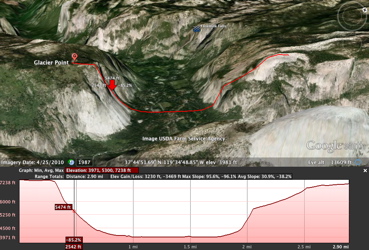
math and social studies to prepare a graph of elevations (topographic profile) across the valley
that demonstrates a classic glacial valley U-shape. |
A topographic profile across
Yosemite Valley, generated using Google Earth. |
||||||||||||
|
Linking engineering and math with science is central to the STEM approach, as embodied in the Next Generation Science Standards that will likely become Georgia’s standards in 2015. A classic application is the new construction to reduce earthquake risk that we will examine on the UC Berkeley campus. To get the most out of the trip, you are invited to a pre-trip session. Dr. Witherspoon will introduce the sites to be visited using maps, a slideshow, and Google Earth fly-through. Attendees will learn about stories behind selected sites – such as the Muir Yosemite controversy; earthquake risk and readiness near San Francisco; impacts of a gold rush town on the Sierra foothills landscape; the hazards of having a skiing mecca atop an active volcano at Mammoth Mountain; and a court case that saved waters feeding Mono Lake from the city of Los Angeles. Teacher participants are invited to select one of these stories as a focus. Optionally, the teacher can do a little online research and share information on the topic when the site is visited. Dr. Witherspoon will be available by e-mail after the trip for any teachers who wish to continue developing a lesson based on their chosen site and story. |
|||||||||||||
|
|
|
||||||||||||
|
Bill Witherspoon
is co-author of Roadside Geology of Georgia,
published in 2013 by Mountain Press Publishing as part of
its popular series. He earned his PhD in Geology from the University of Tennessee in 1981. As a
graduate student he began leading trips for geology students and the public,
including a course for the Smoky Mountain Field School and a geology trip for
the Spring Wildflower Pilgrimage.
From 1997 until his retirement in 2014, he was an instructor at Fernbank Science Center, part
of DeKalb County Schools, teaching K-12 students and teachers, and leading
hundreds of outdoor geology excursions.
In 2007, the National Association of Geoscience Teachers named him
Georgia Outstanding Earth Science Teacher. In retirement, he continues to accept invitations to lead
geology walks, talks, and workshops for parks and nature organizations throughout
Georgia and neighboring states. |
|
||||||||||||
|
In 2001,
Bill organized and led Geology on a Grand Scale, an eight-day trip to Arizona for
teachers and the public that visited the Grand Canyon, a dinosaur trackway, Sunset
Volcano, Meteor Crater, the mesas of the Hopi nation, and many other sites.
One participant wrote, "The course...was as
close to perfect as it gets...Dr. Witherspoon taught his students
geology with a passion. He had an abundance of maps, charts, diagrams, and
props to make clear the lessons of the time and place....It would have been
impossible to remain passive about the geology of Arizona on this trip...I
have been fortunate to have taken trips like this before,,,, but I have never
had an experience so well planned, well executed, and well taught as this
one." After 14
years, Bill is ready to lead another trip of similar scope and
length. As a founding member of the Science Education Advisory Committee
for the Georgia Department of Education, he brings to this trip an awareness
of the synergy between science and the other strands of Georgia's K-12
curriculum. |
|||||||||||||
|
|
|
||||||||||||
|
Questions and Answers About the
Trip Is there any way this trip might still happen? A trip like the one envisioned could happen if a sponsoring organization
were to promote the trip to its members, or if a grant proposal were funded to run the trip as a teacher workshop. The original
organizer will be glad to help such an effort succeed, whether or not he is chosen as trip leader. This includes sharing text he developed for a 2012 request for
Race to the Top funds and a 2014 Teacher Quality proposal. |
|||||||||||||